
Navigating the Digital World: Young People Strengthen Media Literacy and Critical Thinking Skills
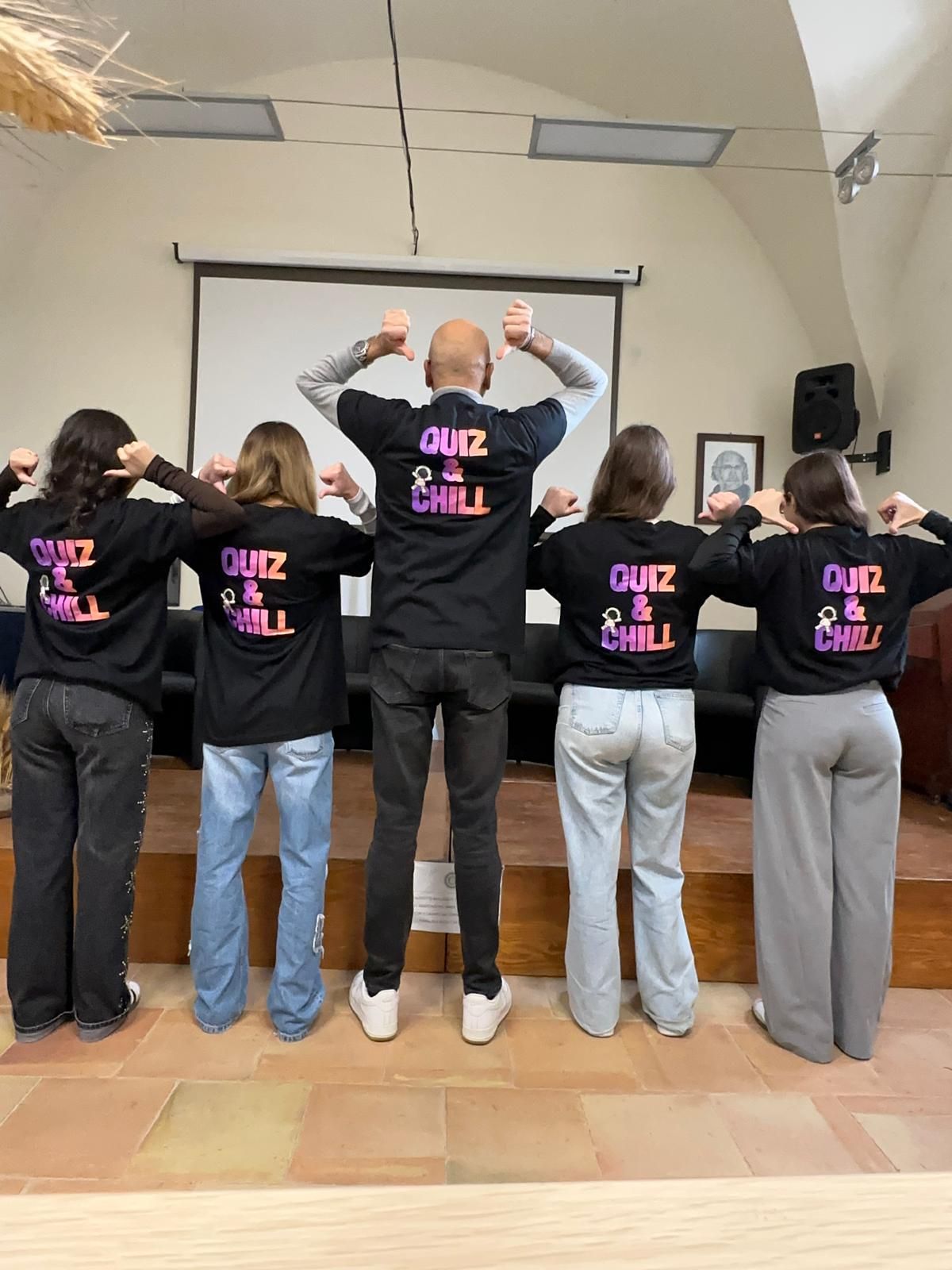
As part of the Erasmus+ project NextGen, partners in Norway, Italy and Croatia implemented a series of capacity-building activities focused on critical thinking, media literacy and responsible participation in digital spaces.
Although the activities were carried out in different local contexts, they shared a common goal: to support young people in understanding the media environment around them, questioning the information they encounter online, and developing the skills needed to participate more thoughtfully and responsibly in their communities.
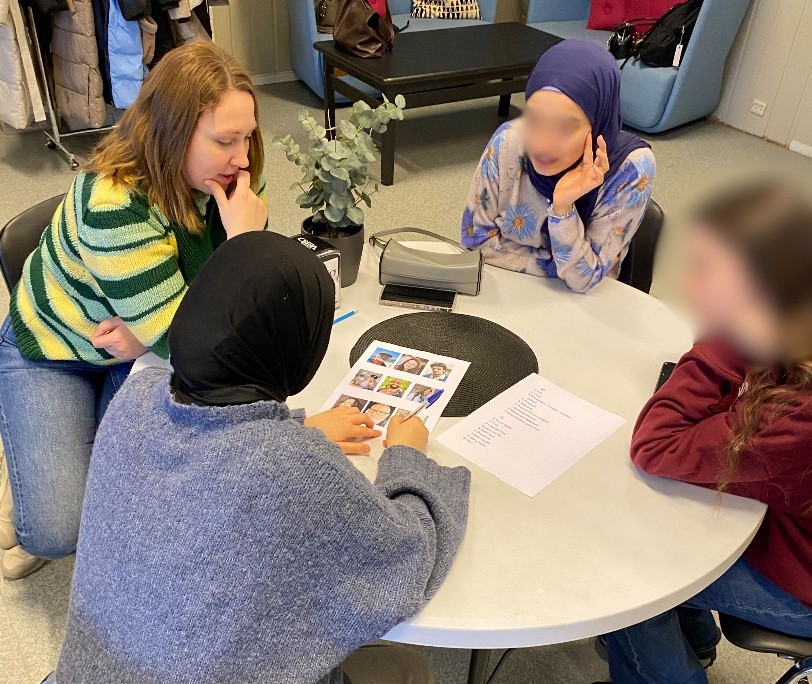
In Norway, LoPe organised a three-day training programme titled "Skeptisk", bringing together young people aged 16 to 23 from diverse migrant backgrounds. Through games, discussions, debates and creative exercises, participants explored stereotypes, cognitive bias, echo chambers, source awareness, misinformation, artificial intelligence, influencers, advertising and digital tracking. The training encouraged young people to reflect on their own assumptions, digital habits and the ways social media shapes what they see, believe and share.
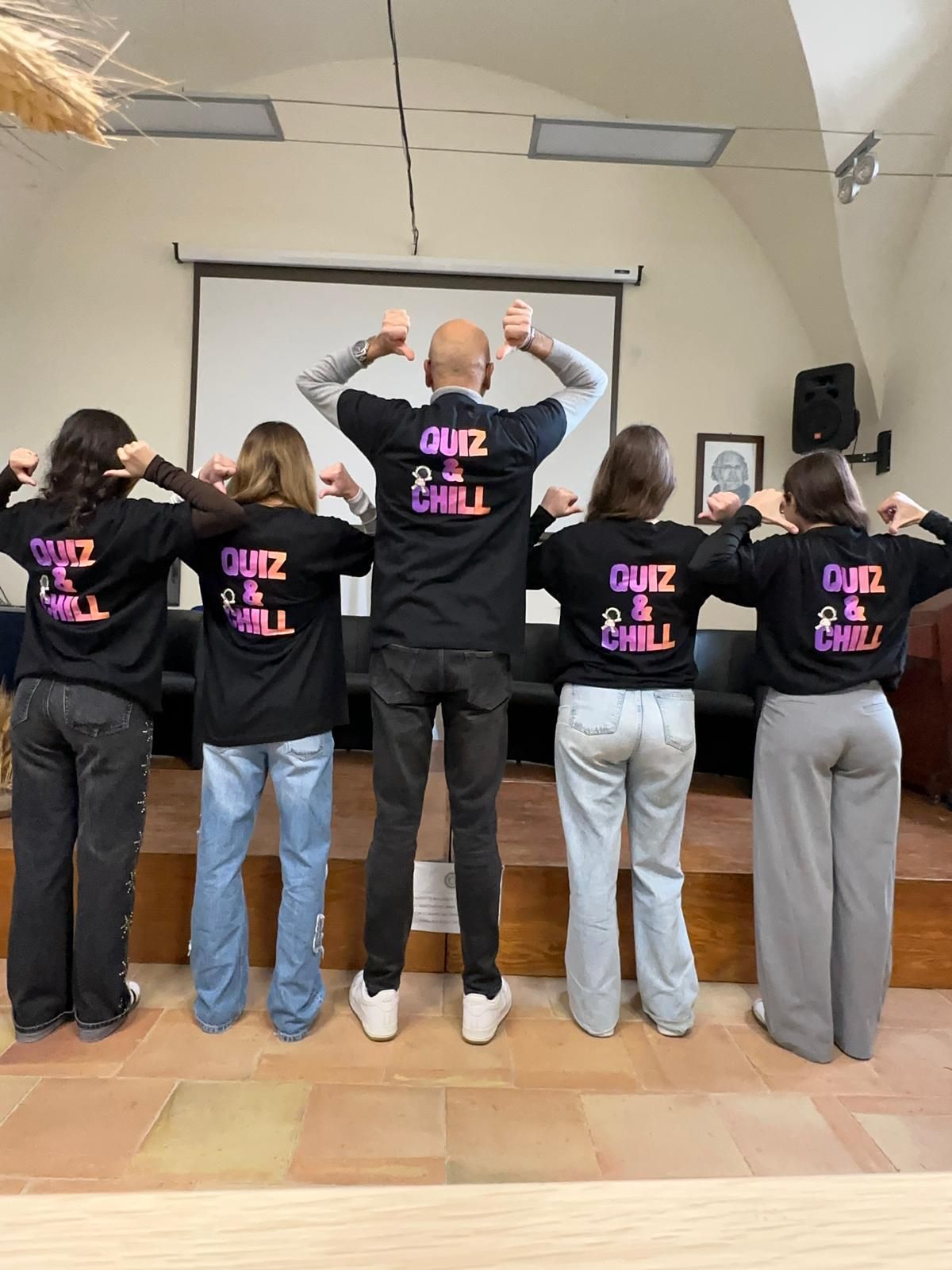
In Italy, AFP Patronato San Vincenzo organised the activity "Culture in 3D" with students from the I.I.S. "Leonardo Da Vinci" in Niscemi. The programme combined technology, creativity, STEM and active citizenship. Participants took part in a 3D printing design workshop, created quiz buzzers, prepared questions and organised a quiz activity. They also had the opportunity to interview Greta Galli, a young tech communicator and STEM ambassador, discussing media literacy, the role of technology and the importance of young people's active participation in community life.
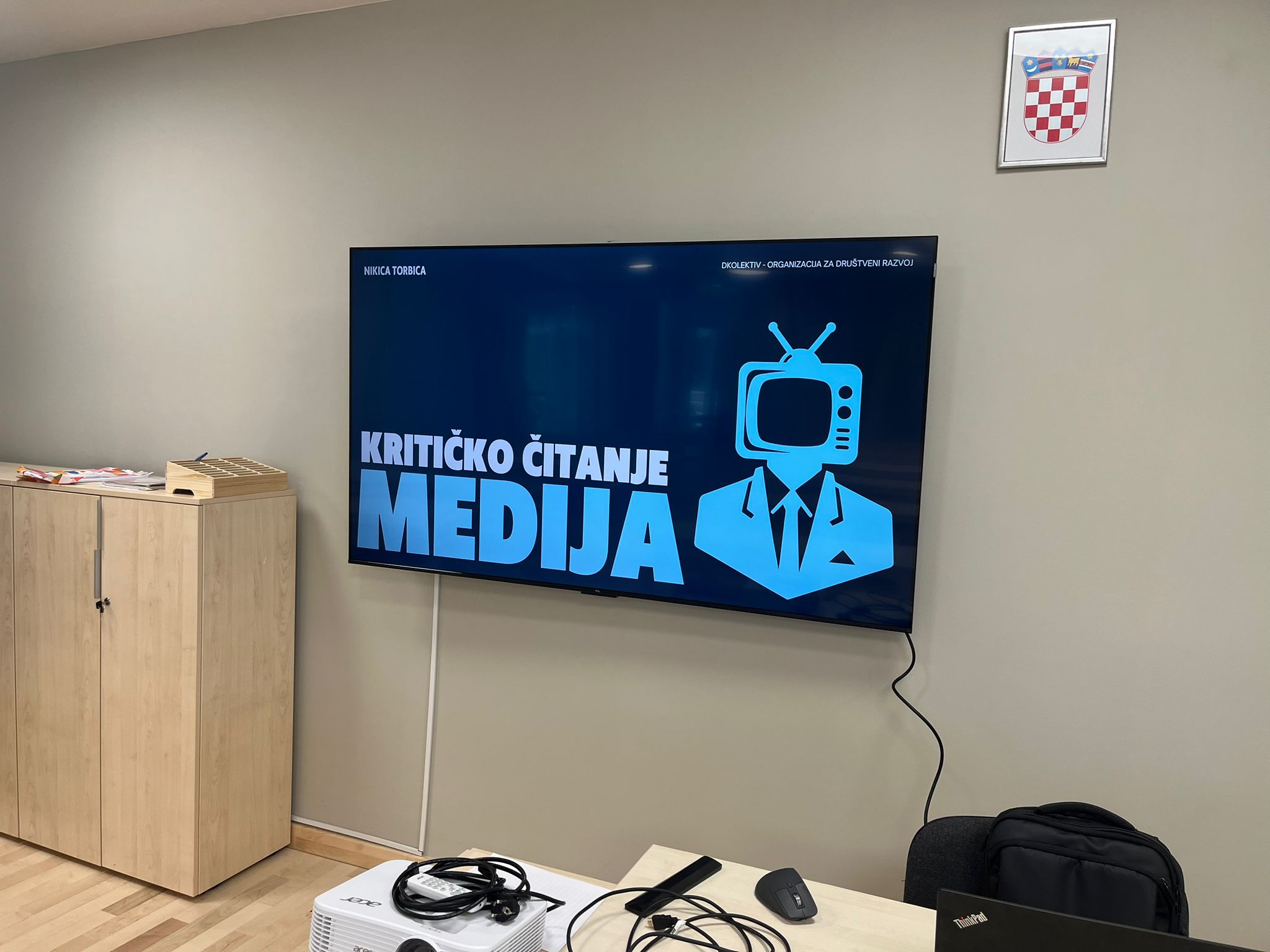
In Croatia, DKolektiv implemented three workshops at the General Gymnasium in Osijek with 22 high school students. The workshops focused on how algorithms influence what we see, read and share, how to critically read media content, and how media messages are created. In the final workshop, participants took on the role of a newsroom editorial team and produced their own media content, reflecting on sensationalism, objective reporting and the balance between engaging and responsible communication.
Across all three countries, the activities showed that young people are ready to engage with complex topics when they are approached through practical, interactive and participatory methods. Whether discussing fake news, social media bubbles, digital footprints, STEM, algorithms or ethical journalism, participants demonstrated curiosity, creativity and a strong willingness to reflect on the digital world they are part of every day.
The activities also highlighted the importance of creating spaces where young people can speak openly, test ideas, work together and learn through experience. Critical thinking and media literacy are not only about recognising false information. They are also about asking better questions, understanding different perspectives, identifying bias, communicating responsibly and becoming more aware of how digital platforms shape our everyday choices.
Through these capacity-building activities, young people strengthened skills such as critical thinking, communication, collaboration, active listening, creative problem solving and responsible digital participation. The results confirmed the importance of supporting young people as informed, reflective and active digital citizens.
As one participant reflected:
"Now I think twice before I believe or share something online."
The NextGen project will continue to create opportunities for young people to develop the knowledge, confidence and skills they need to navigate today's complex information environment and participate actively in their communities.